Taking Your Cat to the Vet: MTR, Light Rail or Taxi?
“I flagged a taxi and still could not get in” — plenty of cat owners in Hong Kong have said some version of this. In a lot of places, taking a cat to the vet is a ten-minute drive. Here it needs planning, because public transport does not treat pets as one category: the rules differ line by line, and they are written down.
MTR heavy rail — the Island Line, Tsuen Wan Line, East Rail and the rest of the network covering most of the urban area and the New Territories — does not permit pets at all, guide dogs excepted. This is not down to whether the station staff are in a good mood; it is the official position, confirmed in writing in Legislative Council replies. However well behaved the cat and however smart the carrier, MTR heavy rail is essentially not an option.
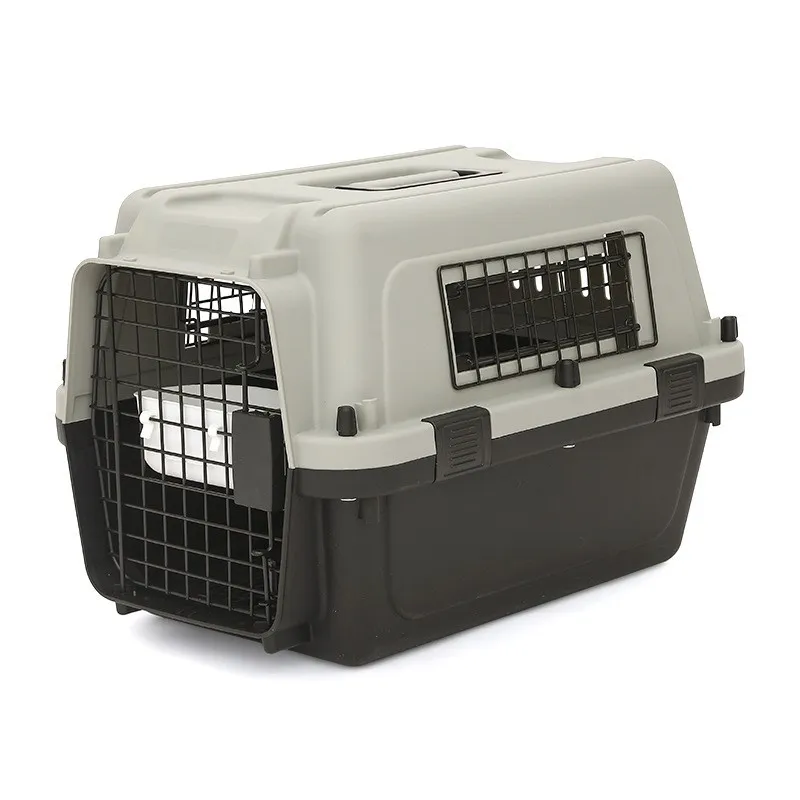
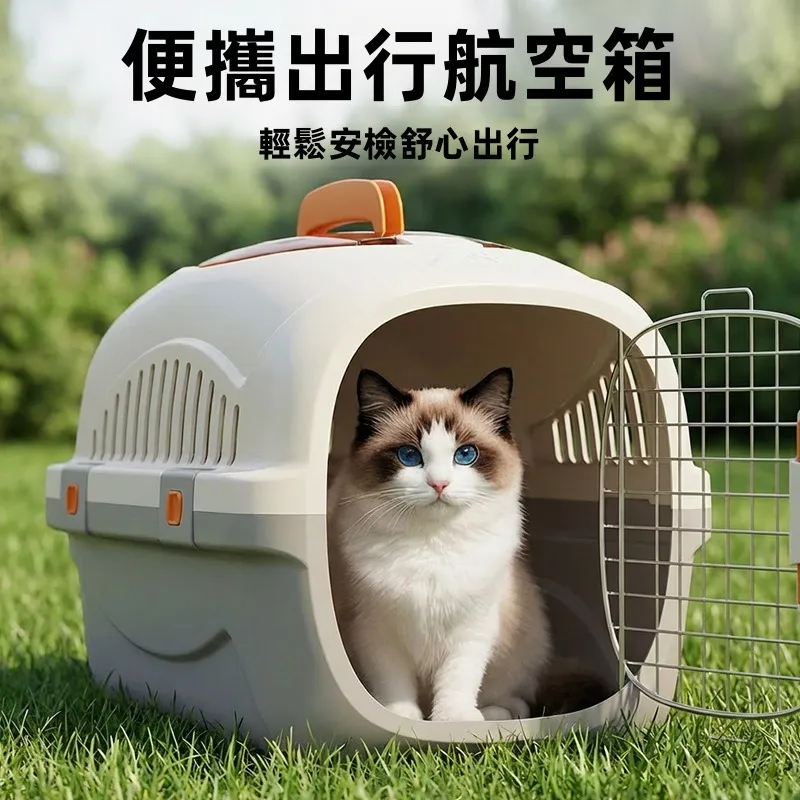
The Light Rail in the New Territories is currently the only rail line that allows cats, and the conditions are spelled out: weekends and public holidays only, and the carrier must be fully enclosed, with neither the cat’s head nor its paws sticking out. That specification is not the Light Rail being difficult. Read it the other way and it is a usefully stable floor: if even public transport demands a fully enclosed carrier, then a carrier that falls short of that is the wrong thing to buy.
Taxis are legally allowed to carry pets, with a HK$5 surcharge per animal, but the driver has discretion and carrying you is entirely voluntary. Flagging one down is not the same as getting in — most owners have learned this the hard way. What works in practice: ask briefly through the window before you get in. The tidier the carrier and the quieter and stiller the cat inside it, the better your odds. An enclosed bag where the cat cannot watch the street lurch past is also better for the cat — at least she is not frightened for the whole ride.
For day-to-day planning this means: if you live in Tuen Mun or Yuen Long where the Light Rail runs, and the appointment falls on a weekday, the Light Rail is no help — the real choice is walking or a taxi, not “there will be a train”. If you live in urban Hong Kong Island or Kowloon, MTR heavy rail was never on the list to begin with. That is the starting point, not the exception. Getting to the vet is not something you work out downstairs on the day; it belongs in the decision when you choose the carrier and choose the clinic.
Fully enclosed is not only a rail regulation. It matters to the taxi driver and to the other passengers too. A frightened cat in a strange place has claws and teeth available to it — an enclosed carrier lowers the risk of an escape or a scratched stranger, and it makes the bag look controllable to the driver. That, far more than the brand or the price, is what decides whether he takes you.
This background explains something else. The American-style expandable carrier that unzips into a big mesh panel so the cat can breathe and look around is, in Hong Kong, the wrong answer. That design assumes you drive your own car, so the cat never faces a stranger and never alarms a third party. Here the carrier has to get past a driver who does not know this cat and is judging in one glance whether it is going to thrash around, and then fit into a narrow Light Rail compartment. Fully enclosed is not an aesthetic preference. It is the bar this transport system sets.
We went through several carriers before that sank in — the larger and airier the mesh looked, the worse it performed here. A driver who sees a whole cat head poking out is markedly more likely to wave you on.
This article is general background, not veterinary advice. If your cat shows anything that looks like a health problem, ask your vet rather than deciding from an article online.